
Stepping over the edge of a standard bathtub is something most people never think twice about, until it becomes difficult. For many older adults and people with limited mobility, the bathroom is where daily independence gets tested. That is why more homeowners are asking whether safe walk in tubs are worth the investment, and what living with one is really like.
This guide covers everything you need to know, from how these tubs work and the different types available to safety features, installation, maintenance, insurance questions, and how a walk-in tub compares with a walk-in shower. By the end, you will know whether this upgrade fits your home, your body, and your budget.
What Is a Walk-In Tub?
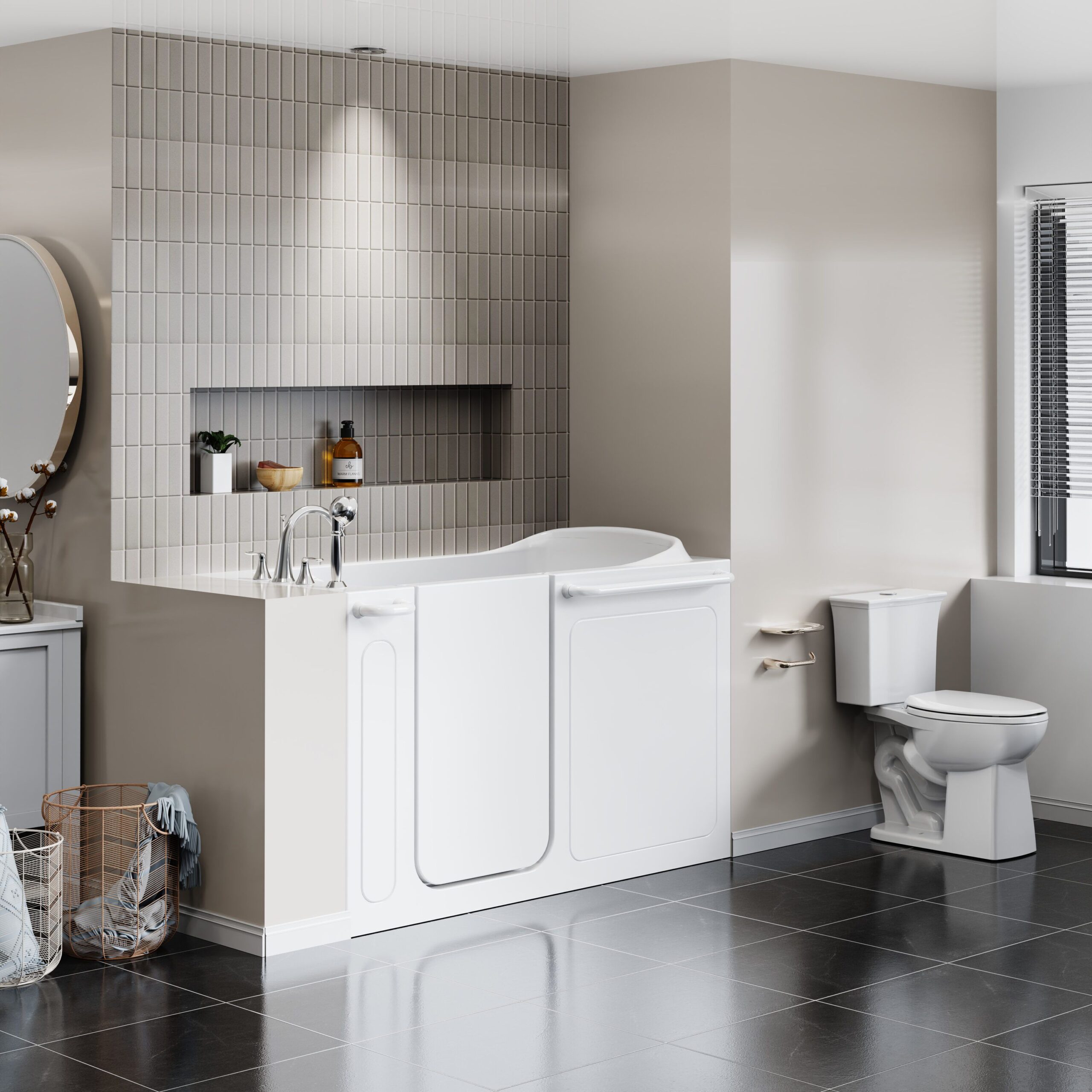
A walk-in tub is a bathtub built with a watertight door in the side of the tub, so you can step in through a low threshold instead of lifting your legs over a high wall. Once inside, you sit on a built-in seat, close the door, and fill the tub around you. When you finish bathing, you drain the water, open the door, and step out.
The design solves a very specific problem. A standard tub wall is often 14 to 20 inches high, and getting over it while wet and balancing on one leg is one of the riskiest moves in the house. The Centers for Disease Control and Prevention reports that roughly one in four adults aged 65 and older falls each year, and bathrooms are a common place for those falls. A walk-in tub reduces that risky step to a short, controlled entry.
How Walk-In Tubs Actually Work
Understanding the process helps you decide if the routine suits you. You open the door, step in, and sit down on the seat. You then close the door, engage the latch or lever that compresses the seal, and turn on the water. Most models fill while you are already seated, so the water rises around you instead of before you get in.
The key difference from a regular bath is the drain. Because the door cannot be opened while the tub is full of water, you must wait for the water to leave before you stand and exit. Standard drains can take several minutes, while fast-drain systems and pumps shorten the wait.
Walk-in tubs are also deeper than standard tubs so the water can cover your shoulders when you are seated. That depth means they usually hold more water, and it is worth confirming that your water heater can supply enough hot water to fill one.
Types of Walk-In Tubs
Not every walk-in tub is built the same way. Knowing the main categories makes it easier to match a tub to your needs.
Soaker tubs are the simplest option. They offer a seat, a door, and deep water for soaking, without jets. They cost less to maintain because there are fewer components, and they suit people who mainly want safe, comfortable entry.
Hydrotherapy tubs add water jets that massage the back, hips, legs, and feet. People with stiff joints or sore muscles often choose these for relaxation and temporary relief from everyday aches.
Air bath tubs release thousands of tiny bubbles through the tub floor and seat for a gentler, champagne-like massage. They are easier to clean than water jets in many cases.
Bariatric and wide-seat tubs are built with extra width and higher weight capacity for larger users.
Wheelchair-accessible tubs use an outward-swinging door and a seat height that lines up with a transfer bench or wheelchair, which makes the move into the tub much easier.
Who Benefits Most From a Walk-In Tub?
Walk-in tubs are most often associated with seniors, but the audience is wider. People with arthritis, joint pain, or balance problems often find regular tubs painful or unsafe. Those recovering from surgery, living with chronic conditions, or managing limited strength may also benefit. Caregivers like them because assisting someone into a tub with a low threshold is less physically demanding than lifting them over a high wall.
They are also a good fit for people who love a hot soak and do not want to give it up. If you enjoy baths for relaxation, circulation, or comfort, a walk-in tub preserves that routine while removing the biggest hazard.
Key Safety Features to Look For
Safety is the main reason people buy these tubs, so look closely at the details that make a difference.
- Slip-resistant floor and seat: Textured surfaces reduce the chance of sliding while the tub is wet.
- Comfort-height seat: A seat around chair height makes sitting and standing easier on your knees and hips.
- Grab bars: Sturdy bars placed inside and outside the tub give you something to hold during entry, exit, and standing.
- Low threshold: The lower the step-in, the less effort you need to enter.
- Reliable door seal and latch: A quality seal protects against leaks, and a simple latch should be easy to operate with limited hand strength.
- Anti-scald protection: Thermostatic or temperature-limiting valves help prevent water from becoming dangerously hot.
- Handheld shower: A handheld wand lets you rinse comfortably while seated.
- Fast drain or pump-assisted drain: Reducing the wait cuts the time you spend sitting in a cooling tub.
Walk-In Tub vs. Standard Tub vs. Walk-In Shower
Choosing between bathing options is easier when you see them side by side.
| Feature | Walk-In Tub | Standard Tub | Walk-In Shower |
|---|---|---|---|
| Entry | Low threshold with a door | Step over a high wall | Low or no threshold |
| Seated bathing | Built-in seat | Limited | Optional bench or seat |
| Soaking | Yes, deep soak | Yes | No |
| Fall risk | Lower when installed correctly | Higher | Lower |
| Fill and drain time | Slower, must drain before exit | Faster | Fast |
| Installation | Moderate to major | None | Moderate |
| Best for | Mobility-limited users who enjoy soaking | General use | Users who prefer showers |
Pros and Cons of Walk-In Tubs
Every home upgrade has trade-offs, and walk-in tubs are no exception.
Pros
- Safer entry and exit compared with a standard tub
- Built-in seating for comfort and stability
- Deep soaking with optional massage features
- Added independence for people who would otherwise need help bathing
- Many models include grab bars and other accessibility features
Cons
- You must wait for the tub to fill and drain, which takes time
- They take up more space than some standard tubs
- Installation can involve plumbing, electrical, and flooring work
- Hot water demand is higher, which may strain smaller water heaters
- Jetted models need more cleaning and maintenance
For many households, the safety benefit outweighs the drawbacks. For others, a walk-in shower might deliver the same accessibility with less waiting.
What to Consider Before You Buy
Before choosing a tub, think through a few practical questions.
Measure your space. Walk-in tubs come in different lengths and widths, and the door needs clearance to open. Measure your existing tub area, the doorway, and any nearby fixtures.
Check the door swing. Inward-swinging doors seal tightly using water pressure, while outward-swinging doors are easier for wheelchair transfers. Pick the one that matches how you will actually use the tub.
Choose the features you will use. Jets and air systems add comfort, but they also add cost and maintenance. Be honest about whether you will use them.
Review the warranty. Look at what is covered, including the shell, door seal, pumps, and electronics, and for how long.
Plan for hot water. Many walk-in tubs hold 40 gallons or more. Ask whether your water heater can keep up, and consider an upgrade if it cannot.
Installation: What the Process Looks Like
Installing a walk-in tub is more involved than swapping a standard tub, so professional installation matters. If you are exploring walk-in tubs for your home, expect the process to follow a few steps.
First, an assessment confirms measurements, plumbing locations, and floor condition. Because a filled walk-in tub with a bather can be heavy, the floor may need reinforcement. Next, the old tub is removed, and the plumbing is adjusted to fit the new drain and fill locations. If the tub has jets or air features, an electrical connection with proper protection is needed, often with a dedicated circuit. The new tub is then set, leveled, sealed, and tested for leaks before it is used.
Timelines vary depending on how much work the bathroom needs, but many installations are completed in a few days. A well-planned project keeps surprises to a minimum, including hidden water damage or outdated plumbing that may be discovered once the old tub comes out.
Maintenance and Care
Walk-in tubs are not hard to maintain, but a little routine care protects your investment. Wipe down the surfaces after use and rinse away soap residue. Clean the door seal regularly and check it for cracks or wear. Hard water is common in many parts of Utah, so mineral buildup can affect jets, drains, and fixtures over time. Running a cleaning cycle for jetted models and descaling when needed keeps everything working smoothly.
Avoid harsh abrasives, which can scratch acrylic, and schedule professional service if you notice slow draining, unusual noises, or leaks around the door.
Does Insurance or Medicare Cover a Walk-In Tub?
This is one of the most common questions, and the honest answer is that coverage is limited. Original Medicare generally does not cover walk-in tubs because they are not classified as durable medical equipment. Medicare Advantage plans differ, and a few include small home-safety allowances.
Other sources of help may exist. Some Medicaid waiver programs, Veterans Affairs home modification grants, and local aging-services agencies assist with accessibility upgrades. In some cases, medically necessary home improvements may qualify as a tax-deductible medical expense, and flexible spending or health savings accounts may apply. Rules change and depend on your situation, so confirm details with your insurer, benefits coordinator, or tax professional before you commit.
Is a Walk-In Tub Right for You?
Ask yourself a few simple questions. Do you struggle to step over your current tub wall? Do you enjoy a long soak? Are you or a family member concerned about falling? Do you have the space and the water heater capacity? If you answered yes to most of these, a walk-in tub is likely a strong fit.
If you rarely take baths and mainly want easier access to a shower, a walk-in shower with a bench and grab bars may be the better choice. Either way, the goal is the same: a bathroom that supports your independence and keeps you safe for years to come.
Frequently Asked Questions
Are walk-in tubs really safe? When properly installed and used as directed, walk-in tubs are safer for many people than standard tubs because they remove the high step-over and provide seating, grab bars, and slip-resistant surfaces. Safe use still requires care, including checking water temperature and standing up slowly.
How long does a walk-in tub take to fill and drain? Fill and drain times vary by model, water pressure, and drain type. Filling often takes several minutes, and draining can take a few minutes more. Fast-drain systems shorten the wait, which is worth considering if you are sensitive to cold.
Can you shower in a walk-in tub? Yes. Many models include a handheld or fixed showerhead so you can shower while seated. Because the door stays closed during use, the water collects in the tub as you rinse, so you will still need to wait for it to drain.
How long do walk-in tubs last? With regular care, the tub shell can last many years. Components such as door seals, pumps, and electronics may need service or replacement sooner, which is why warranty coverage matters.
Do walk-in tubs increase home value? It depends on the buyer. Some value accessibility features, while others prefer a standard tub or walk-in shower, so focus on the benefit the tub brings you today.
Conclusion
Safe walk in tubs can be a worthwhile upgrade for people who want to keep soaking while reducing the risk of falls. The right choice depends on your mobility, your space, your hot water supply, and how you like to bathe. Take time to compare tub types, safety features, and installation requirements, and ask plenty of questions before you decide. If you are ready to talk through your options with a local professional, Wasatch Bath can help you plan a safer, more comfortable bathroom.